Books
Brian McLain
Dec 15, 2025
Click here and here to read the previous book reviews.
Brian’s Recommendations
Charles Williams, Forgiveness (Grand Rapids, MI: William B. Eerdmans Publishing Company, 1942)
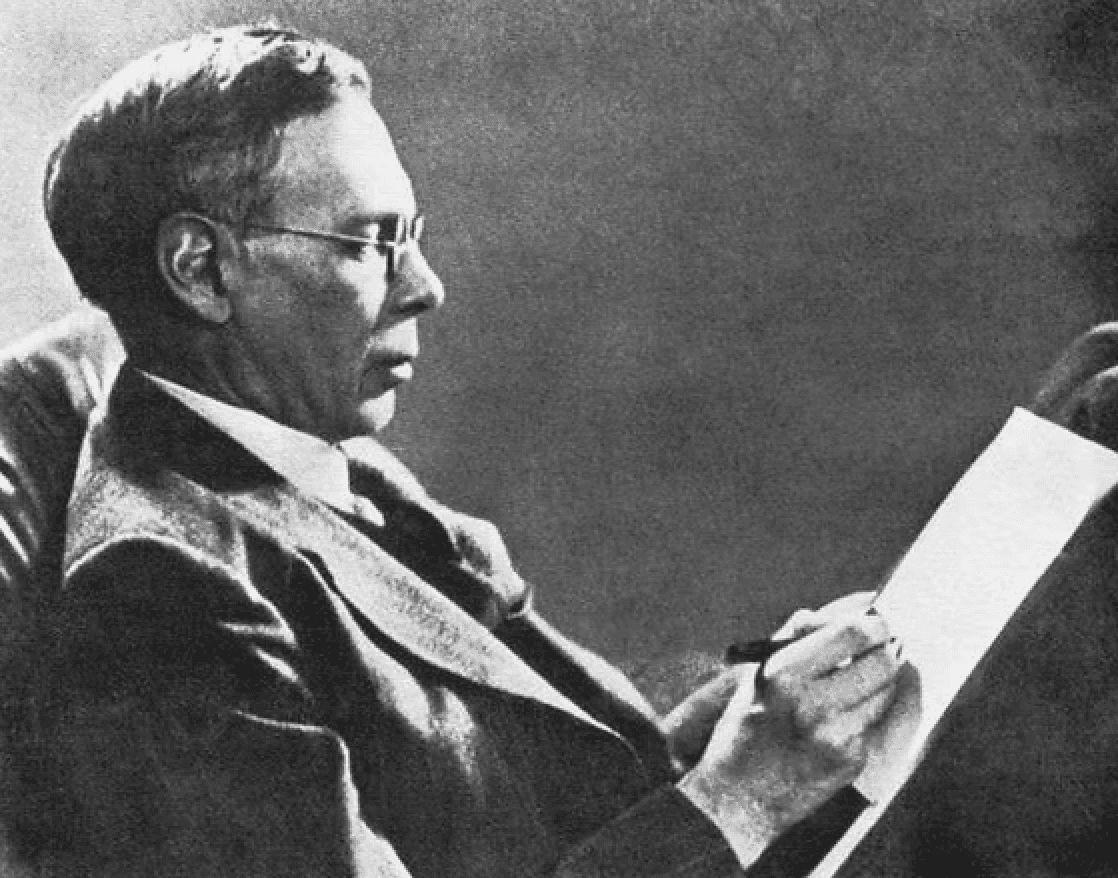
Charles Williams—poet, novelist, lay theologian, and one of the lesser-known members of the Inklings—brings his distinctive blend of imagination and theology to the topic of forgiveness. While Lewis and Tolkien are more familiar names, Williams played a significant role within the Inklings circle at Oxford, admired by Lewis for his intellectual intensity and by Tolkien for his creativity, even if they occasionally clashed. Personally, I have only read one other book of his - a work of fiction - though, as an avid reader of Lewis and Tolkien, I have come across his name and ideas many times. There are similarities in his style to that of Lewis, though Williams also seems to have a mystical quality to his writing. I didn’t know what to expect when I started this book (which I stumbled across recently at a used book store in Oregon), and was immediately taken with it. Williams places his theological reflections squarely in the realm of everyday actions and colors it with his knowledge and love of literature (again, very similar to Lewis). In fact, this book of theology begins with exploration of forgiveness as it is found in the works of Shakespeare.
Williams speaks often about what he calls “co-inherence” (the mysterious interdependence of all human lives), and he treats forgiveness not simply as a moral virtue but as a participation in the very life of God. For him, forgiveness is a doorway into divine charity—the love by which God Himself exists and acts. To forgive is to share in God’s own work, allowing His life to flow through human relationships… a concept that I have considered deeply for a long time, but had never seen put in such imaginative and profound ways until reading this book.
For example, here’s an excerpt from chapter four: “Love that forgives, which is the only love we can, or can ever, know, is tender and beautiful… the mystery of such a love is as unimaginable as our pre-fallen state; and the climax of the matter depended on it. There sprang from it the very flash of Forgiveness… He became then Forgiveness in flesh; he lived the life of Forgiveness. This undoubted fact serves as a reminder that Forgiveness is an act, and not a set of words. It is a thing to be done… the birth of Forgiveness was the birth of something of flesh and blood, of brain and bone.”
A major thread running through Forgiveness is Williams’s conviction that sin creates real burdens that affect not just individuals but the entire network of human relationships. This is where his doctrine of co-inherence becomes central. Because none of us lives in isolation, we cannot bear our own sins alone—nor can we forgive in isolation. Williams writes, “St. Peter, in the dialogue with Immanuel mentioned earlier, included this as a condition, and our Lord permitted it: if my brother sin against me and turn again?... it is within that relationship that the harm has been done. It is then within that relationship that the forgiveness must exist, and since all relationship must thrive or decay by what it holds within it, by its elements, it is from such forgiveness that the relationship must thrive… To prefer another’s will to one’s own is much, but to become another’s will by means of one’s own is more, and is indeed the necessary thing for love.”
Williams connects this insight directly to Christ’s substitution on the cross: Jesus bears the weight of humanity’s sin because no human being can. Personal forgiveness, then, is a small participation in Christ’s own burden-bearing. This makes forgiveness costly rather than sentimental; the forgiver absorbs the debt in imitation of Christ.
Williams also warns of the spiritual peril of unforgiveness, which he sees as a kind of self-imposed exile. The same openness of heart that allows us to forgive others is what allows us to receive forgiveness from God… and this is where Williams excels: he emphasizes that forgiveness is an imaginative act, requiring us to see the offender not merely as they were but as God intends them to be. Ultimately, Forgiveness is a deeply moving reflection on reconciliation—and it will be a book I return to in the future.
Marilyn Robinson, Gilead (New York, NY: Farrar, Straus and Giroux, 2004)
Gilead is a lovely story about a third-generation Congregationalist minister in the Midwest who, at the end of his life, is penning his memoir for his young son. As he writes, he reflects on the many blessings and trials that have brought him to this moment—including God’s grace in bringing him a wife and young son in his old age, after many years of loneliness and bachelorhood.
What makes Gilead so moving to me is its refusal to rush. This is not a fast-paced novel, but a reflection on life. John Ames, the main character, spends time considering acts of blessing and forgiveness, while also lamenting the sins of his past and the difficult relationships he had with family and friends. Above all, this is a book about the ordinary rhythms found in a small town pastoral ministry, peppered with theological insights and lived wisdom.
Robinson is a gifted writer who specializes in what I would call the “sacramental” nature of everyday life—the way sunlight in a dusty sanctuary or the laughter of a child can stand as quiet arguments for the goodness of God. And yet her writing is not overly sentimental (thank goodness). I read this book a number of years ago (maybe 15?), and in the intervening years, I have become aware of the author’s more liberal leanings in terms of politics and theology; and so, when I picked up Gilead to take on my trip to Oregon, I was a little apprehensive that it would not connect well this second time around. But it did. It’s a glorious read: moving, beautiful, convicting even.
Here is an excerpt: “It would be worth my life to try to get those big boxes (of sermons) down on my own. It’s humiliating to have written as much as Augustine, and then to have to find a way to dispose of it. There is not a word in any of those sermons I didn’t mean when I wrote it. If I had the time, I could read my way through fifty years of my innermost life. What a terrible thought. If I don’t burn them someone else will sometime, and that’s another humiliation… I suppose it’s natural to think about those old boxes of sermons upstairs. They are a record of my life, after all, a sort of foretaste of the Last Judgment, really, so how can I not be curious? Here I was a pastor of souls, hundreds and hundreds of them over all those years, and I hope I was speaking to them, not only to myself, as it seems to me sometimes when I look back. I still wake up at night, thinking, That’s what I should have said! or That’s what he meant! remembering conversations I had with people years ago, some of them long gone from the world, past any thought of my putting things right with them…”
Above all, Gilead is a meditation on grace—grace that comes slowly, unexpectedly, and often through flawed people. Robinson writes with the kind of bluntness and tenderness that makes the reader feel the weight of each moment, while reminding us that even the most ordinary life can reveal God’s glory, if one has the eyes to see it.
Brian McLain and his lovely wife Denise were born and raised in Florida. They have been blessed with six beautiful daughters who fill their home with boundless joy and entertainment. Brian has degrees in Theology and Electrical Engineering and spent 20 years in the Power Industry. The McLains love to sing, dance, read, cook and play games, and they cherish the opportunities they get to serve and host others in their home.